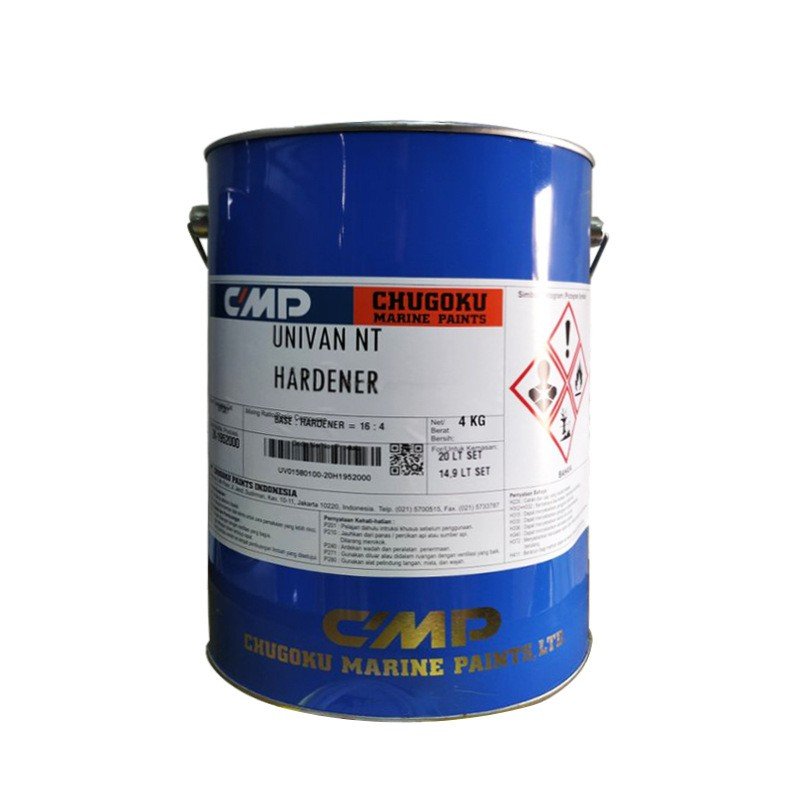
6033 EPICON T-800 HS High-build Epoxy Phenolic Tank Lining is an epoxy coating. One coat by airless spray can achieve a dry film thickness of 100–150 µm. Parameters on this page: volume solids 77 ± 2% [by volume], dry film thickness 100–200 µm, theoretical spreading rate 0.13–0.26 L/m². Comparable products from the same brand: 6037 EPICON T-800 High-build Epoxy Phenolic Tank Lining, 6037B EPICON T-800 QD High-build Epoxy Phenolic Tank Lining, 6035 EPICON T-800 HOLDING PRIMER Epoxy Phenolic Resin Temporary Anti-corrosive Primer.
Parameter source: CMP original technical data sheet (TDS) "6033 EPICON T-800 HS High-build Epoxy Phenolic Tank Lining"; values such as spreading rate are converted from TDS parameters and are for selection reference only.
The above content is compiled from the manufacturer's datasheet and this site's parameter tables. For selection, coating systems and lead times, pleaseContact Usfor confirmation.
This page carries the full TDS for this product, translated from the manufacturer's original document. No file download is needed; for an original-language copy, send an enquiry.
| Volume Solids | 77 ± 2% [by volume] |
|---|---|
| Dry Film Thickness | 100–200 µm |
| Theoretical Spreading Rate | 0.13-0.26 L/m2 |
| VOC | 268 g/L |
| Density / Specific Gravity | 1.47 g/ml |
| Number of Components | Two-component |
| Thinner | EPOXY THINNER B |
| Mixing Ratio | Base : curing agent = 83:17 (by volume) |
| Colour / Appearance | Grey, light grey, red-brown |
For more Q&A on selection, application, acceptance and defect diagnosis, seeFAQsection.
EPICON T-800 HS is a high-build epoxy phenolic coating with excellent physical properties such as strong adhesion, tough film and abrasion resistance, and excellent chemical resistance to salt water, fresh water, petroleum products, crude oil, alkaline substances and weak acids. It is suitable as a protective coating for the interior of tanks. One coat by airless spray can achieve a dry film thickness of 100–150 µm.
| Type | High-Build Epoxy Phenolic Tank Coating |
|---|---|
| Use | Suitable as a topcoat for oil tanks, chemical tanks and the like |
| Mixing Ratio | Base : curing agent = 83:17 (by volume) |
|---|---|
| Colour | Grey, light grey, red-brown |
| Flash Point | Base 24.0 °C Hardener 10.0 °C |
| Density | 1.47 g/ml |
| Volume Solids | 77 ± 2% [by volume] |
| Volatile organic compound content | 268 g/L |
| Theoretical spreading rate | 0.13-0.26 L/m2 |
| Thickness | WFT 130–260 µm, DFT 100–200 µm |
(dry film 125 µm)
| Temperature | 10 °C | 20 °C | 30 °C | 40 °C | |
| Drying Time | Surface Dry | 2.5 h | 1.5 h | 30 min | 15 min |
| Hard Dry | 24 h | 12 h | 6 h | 4 h | |
| Recoat interval | At least | 24 h | 16 h | 14 h | 8 h |
| At most* | 28 days | 21 days | 14 days | 10 days | |
| At most** | 10 days | 7 days | 5 days | 3 days | |
| Pot life | 6 h | 4 h | 2.5 h | 1 h | |
| Application method | Airless spray, brush, roller |
|---|---|
| Weather: temperature | Minimum 10 °C; steel temperature at least 5 °C above the dew point*** |
| Airless spray: viscosity | 1.3-1.7Pa.S |
| Nozzle | Graco619, 621 |
| Paint output pressure | 14.7-17.7 Mpa |
| Spray gun speed | 60–80 cm/s |
| Thinner | EPOXY THINNER B |
| Thinning | 0–10% by volume |
| Newbuilding | Follow the shipyard standards. Consult your CMP representative for advice. |
|---|---|
| Repair and maintenance | Remove oil and grease. Remove salts and other contaminants with high-pressure clean water, then dry |
| Fully. Remove damaged areas by abrasive blasting to at least Sa 2½ (ISO 8507-1 | 2007) or with power |
| power tools to St 3 (ISO 8507-1 | 2007). |
| Rinse with water | Consult your CMP representative for advice. |
The type and degree depend on the actual condition of the material and the required performance.
Optimum results can be achieved even on lightly corroded or damp steel surfaces.
Use standards consistent with the Worldwide Marine Specifications.
| Preceding coat | CERABOND 2000, EPICON ZINC RICH PRIMER B-2 |
|---|---|
| Subsequent coat | EPICON T-800 HS |
| Packaging | Two-component |
Note: 1. In confined spaces or restricted spaces at low temperature, ventilation is necessary to remove volatilised solvent and promote film formation during application and drying.
2. Stir the base with an electric stirrer to a uniform state, then thoroughly stir all of the curing agent with the base. Finally add an appropriate amount of thinner and mix thoroughly.
3 Excessive solvent may reduce sag resistance. 4 Application at the block stage is not recommended. Application is not permitted where the temperature cannot be controlled.
5 When mixing, mix only the quantity of paint that can be used within the specified pot life.
6 *(1) It is recommended to use shade netting over the coating surface to avoid direct sunlight exposure through manholes or other openings.
If the coating surface has been directly exposed to sunlight, the above “**” indicates the maximum recoat interval
| 7. ***on steel | Dew point + minimum 5 °C |
|---|---|
| on the film | Dew point + minimum 3 °C 8 Volume solids, volatile organic content and density are theoretically calculated based on a representative formulation without thinner. The values vary depending on the formulation of different colours. |
Information is subject to the manufacturer's latest version; the manufacturer's latest TDS prevails.
The technical parameters on this page are taken from the product's original manufacturer technical datasheet, the copyright of which belongs to the manufacturer. If a rights holder considers the presentation inappropriate, contact us for verification and handling.
Packaging specifications and batch lead times are subject to actual availability. PleaseContact Uscontact us for project-based calculation.