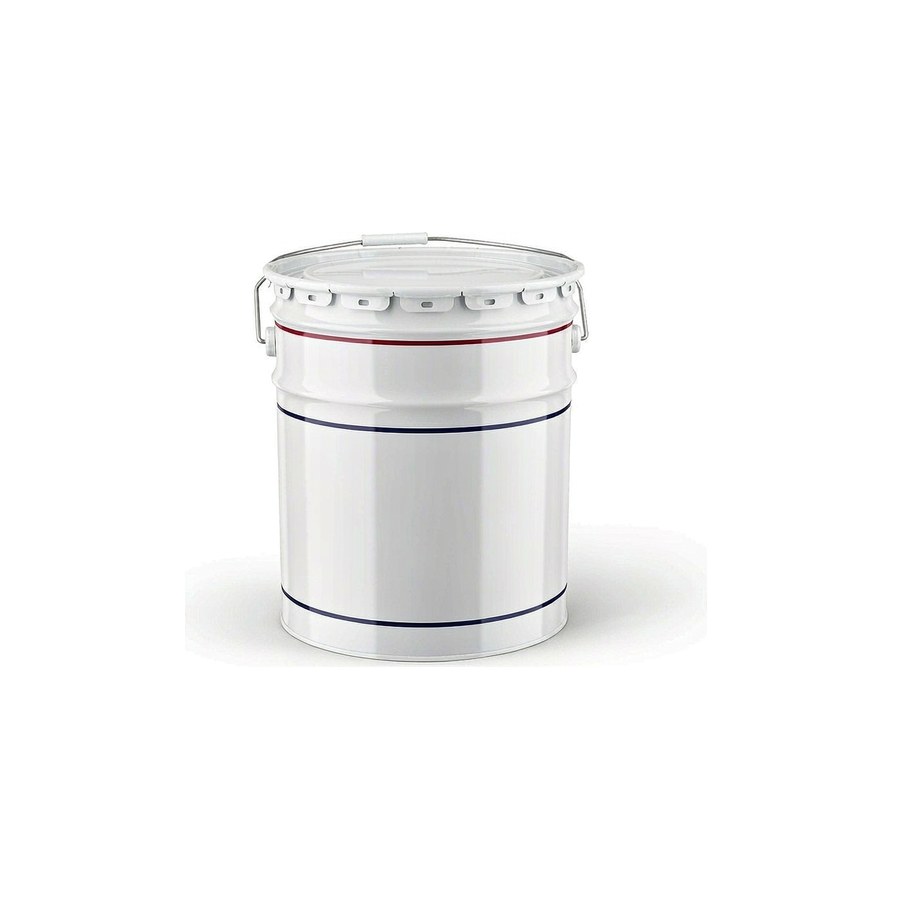
POSI1701 Polysiloxane Topcoat is a topcoat. It provides long-term corrosion protection for steel structures such as stadiums, bridges, airports and exhibition halls. Two-component acrylic-modified inorganic polysiloxane topcoat with excellent colour and gloss retention, free of isocyanate. Parameters on this page: dry film thickness 50–80 µm, theoretical spreading rate 11.5 m²/kg, number of components: two-component.
Parameter source: OSAKA manufacturer's Technical Data Sheet (TDS) "POSI1701 Polysiloxane Topcoat"; values such as spreading rate are converted from TDS parameters and are for product selection reference only.
The above content is compiled from the manufacturer's datasheet and this site's parameter tables. For selection, coating systems and lead times, pleaseContact Usfor confirmation.
This page carries the full TDS for this product, translated from the manufacturer's original document. No file download is needed; for an original-language copy, send an enquiry.
| Volume Solids | 75% |
|---|---|
| Dry Film Thickness | 50–80 µm |
| Theoretical Spreading Rate | 11.5 m²/kg |
| VOC | 215 g/L |
| Density / Specific Gravity | 1.25–1.35 kg/L |
| Number of Components | Two-component |
| Thinner | OUP 104, recommended addition 3%–5% |
| Mixing Ratio | Component A : Component B = 20:1.3 (by weight) |
| Colour / Appearance | White or other colour card colours required by the customer |
Two-component acrylic-modified inorganic polysiloxane topcoat with excellent colour and gloss retention, free of isocyanate.
Provides long-term corrosion protection for steel structures such as stadiums, bridges, airports and exhibition halls.
| Colour | White or other colour card colours required by the customer. |
|---|---|
| Volume Solids | 75% |
| Dry Film Thickness | 50–80 µm |
| Theoretical Spreading Rate | 11.5 m²/kg, based on 50 µm dry film thickness. |
| Practical Spreading Rate | Allowing a suitable loss |
| Volatile organic compound content | 215 g/L |
| Mixing Ratio | Component A : Component B = 20:1.3 (by weight) |
|---|---|
| Airless spray | Recommended: nozzle tip size 0.43–0.53 mm; fluid pressure ≥15.5 MPa |
| Brush or roller | Recommended |
| Conventional spray | Suitable, but not recommended. |
| Thinner | OUP 104, recommended addition 3%–5%. |
| Paint equipment cleaner | OUP 104 |
| Pot life | 5 °C: 6 h; 23 °C: 4 h; 35 °C: 2 h |
| Drying Time | ||||
| Substrate Temperature | Touch dry (h) | Hard dry (h) | Recoat Interval | |
| Minimum | Maximum | |||
| 5°C | 8 | 12 | 8 h | Unlimited |
| 23°C | 4 | 8 | 6 h | Unlimited |
| 35°C | 2 | 4 | 4 h | Unlimited |
| Storage | Store in a cool, dry environment |
|---|---|
| Shelf life | 1 year |
| Packaging Specifications | Part A: 20 kg in a 20 L drum; Part B: 1.3 kg in a 4 L drum |
| Flash Point | Above 32 °C |
| density | 1.25–1.35 kg/L |
All surfaces shall be clean, dry and free from contamination. Direct application over zinc-rich (epoxy zinc-rich or inorganic zinc-rich) coatings is possible, provided the surface remains clean and dry with no zinc salts. When applied over porous primers or inorganic zinc-rich primers, application of an epoxy sealer coat or a mist coat is recommended to avoid blistering.
Previous coat: inorganic zinc-rich primer, epoxy zinc-rich primer, epoxy primer, epoxy intermediate coat; consult the company for other previous coats used. Application conditions: application temperature shall be above 5°C, substrate temperature at least 3°C above dew point, and the application area shall be well ventilated.
Information is subject to the manufacturer's latest version; the manufacturer's latest TDS prevails.
The technical parameters on this page are taken from the product's original manufacturer technical datasheet, the copyright of which belongs to the manufacturer. If a rights holder considers the presentation inappropriate, contact us for verification and handling.
For more Q&A on selection, application, acceptance and defect diagnosis, seeFAQsection.
Packaging specifications and batch lead times are subject to actual availability. PleaseContact Uscontact us for project-based calculation.