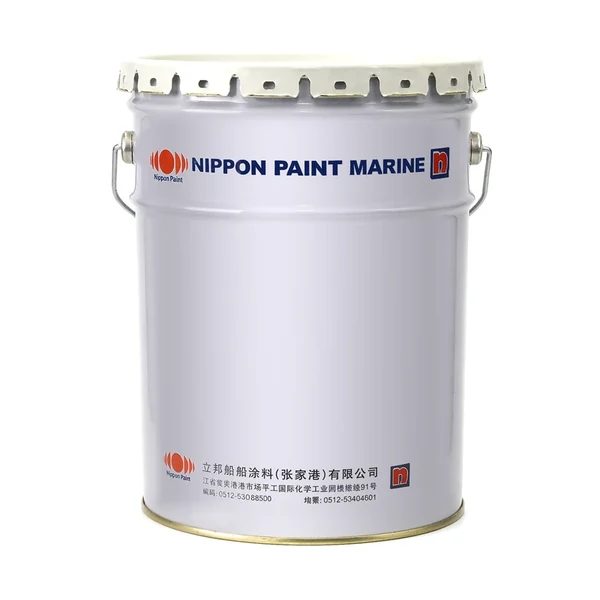
NIPPON E-MARINE 1000 GF epoxy glass flake coating belongs to glass flake coatings, epoxy system. Parameters on this page: volume solids 80 ± 2%, dry film thickness 200-500 µm, theoretical spreading rate 1.60 m²/L.
Parameter source: nippon-marin original technical data sheet (TDS) “NIPPON E-MARINE 1000 GF Epoxy Glass Flake Coating”; values such as spreading rate are converted from TDS parameters and are for selection reference only.
The above content is compiled from the manufacturer's datasheet and this site's parameter tables. For selection, coating systems and lead times, pleaseContact Usfor confirmation.
This page carries the full TDS for this product, translated from the manufacturer's original document. No file download is needed; for an original-language copy, send an enquiry.
| Volume Solids | 80 ± 2% |
|---|---|
| Dry Film Thickness | 200-500 µm |
| Theoretical Spreading Rate | 1.60 m²/L (500 µm) |
| VOC | 162 g / L as supplied |
| Density / Specific Gravity | — |
| Number of Components | Two-component |
| Thinner | NIPPON MARINE THINNER / NIPPON MARI… |
| Mixing Ratio | BASE 79.5 / HARDENER 20.5 |
| Colour / Appearance | Gray ,Red oxide |
A super high build, glass flake pure epoxy coating, which provides excellent resistance to water, chemicals and abrasion and good cathodic protection.
Anticorrosive for rudders, stern frames, sea chest, boottop, keel plate, etc. where significant damage is expected from abrasion and corrosion.
| Type | Epoxy (High build / Glass flake / Two-pack) |
|---|---|
| Color | Gray ,Red oxide |
| Gloss | Flat |
| Volume Solids | 80 ± 2% (ISO3233:1998) |
| Typical Dry Film Thickness | 200 ~ 500 µm |
| Approx. Wet Film Thickness | 250 ~ 625 µm |
| Theoretical Coverage | 1.60 m²/ L (500 µm) |
| Drying Time | Surface Dry | 6 hours (5°C) | 2 hours (20°C) | 1 hours (30°C) |
| Dry Hard | 24 hours (5°C) | 8 hours (20°C) | 6 hours (30°C) | |
| Full Cure | 14 days (5°C) | 7 days (20°C) | 5 days (30°C) | |
| Interval before Overcoating | Min. | 24 hours (5°C) | 8 hours (20°C) | 6 hours (30°C) |
| ( by self ) | Max. | 14 days (5°C) | 7 days (20°C) | 5 days (30°C) |
| VOC Values | 162 g / L as supplied |
|---|---|
| Thinner | NIPPON MARINE THINNER / NIPPON MARINE THINNER 615 (China Regions) |
Airless Spray
| Tip range | 0.89 ~ 0.99 mm |
|---|---|
| Fan angle | 55° ~ 62° |
| ( For T/U ) | 30° Output pressure above 225 kg / cm² |
| Mixing Ratio by Volume | BASE 79.5 / HARDENER 20.5 |
| Pot Life after Mixing | 4 hours (5°C) |
| 1.5 hours (20°C) | 45 min (30°C) |
| Packaging | Two Packs |
| Japan Local Brand | NIPPON E-MARINE 1000GF |
| Flash Point | BASE 28 °C, HARDENER 31.5 °C |
Blast cleaned to ISO-Sa 2 1/2 or power tool cleaned to ISO-St 3 is recommended.
Please consult with Nippon Paint Marine representatives for water
Take precautions to avoid skin and eye contact (i.e. gloves, concentrations within safe limits.
Prior to use, obtain, consult and follow the SDS for this product concerning health and safety information.
1)The information contained in this sheet is liable to modification from time to time in the light of experience and our policy of continuous product development.
2)Use high ratio types of airless spray equipment (ex. Asahi Sunac Mammoth above 45 : 1). The viscosity increases at low temperatures, particularly during winter and the paint cannot be applied with the airless spray of normal types. The high ratio types prevent from sagging caused by excessive dilution with thinner.
3)To prevent spray gun from clogging, remove all filters in the spray guns and surge chambers.
Ball tip is recommended.
4) At temperatures below 10°C, it will take longer to dry and harden.
5)Avoid mixing a large amount of paint at one time because the usable time is shorter during high temperatures such as summer (30°C: 45 minutes).
6) For availability of product consult Nippon Paint Marine representatives.
7) Unit size and filled volumes can vary due to local regulations.
8) Use products that comply with local regulations to clean the paint equipment.
9) Store the paints in paint store.
Data is subject to the manufacturer's latest version; in all cases the manufacturer's latest TDS prevails.
For more Q&A on selection, application, acceptance and defect diagnosis, seeFAQsection.