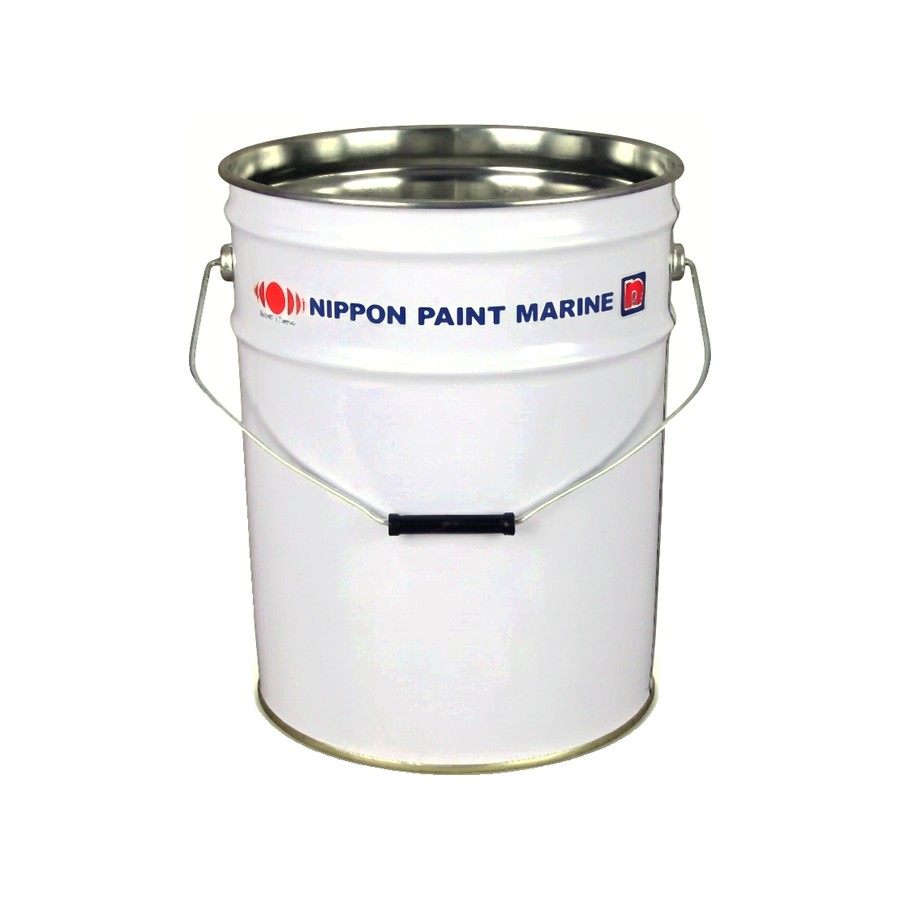
EVER COOL FINISH Heat-Shielding Polyurethane Topcoat is a topcoat. Used as a topcoat for superstructures, hatch covers, compass decks, weather decks, car decks (ferries and ro-ro ships), etc. Contains special infrared low-heat-absorption pigments; the coating shields thermal energy and suppresses surface temperature rise. Parameters on this page: volume solids 62 ± 2%, theoretical spreading rate 12.4 m²/L (50 µm), number of components: two-component.
Parameter source: Nippon Marine original technical data sheet (TDS) for EVER COOL FINISH Heat-Shielding Polyurethane Topcoat; spreading rate and other values are converted from TDS parameters and provided for product selection reference only.
The above content is compiled from the manufacturer's datasheet and this site's parameter tables. For selection, coating systems and lead times, pleaseContact Usfor confirmation.
This page carries the full TDS for this product, translated from the manufacturer's original document. No file download is needed; for an original-language copy, send an enquiry.
| Volume Solids | 62 ± 2% |
|---|---|
| Dry Film Thickness | 30-50µm |
| Theoretical Spreading Rate | 12.4 m²/ℓ (50µm) |
| VOC | — |
| Density / Specific Gravity | — |
| Number of Components | Two-component |
| Thinner | THINNER 700 (5–15%, by weight) |
| Mixing Ratio | Base : curing agent = 16.7 : 3.3 |
| Colour / Appearance | Grey 060 base – FGJ060, dark grey 040 base – FGJ040… |
For more Q&A on selection, application, acceptance and defect diagnosis, seeFAQsection.
A heat-shielding polyurethane coating with good weather resistance and gloss retention. Contains special infrared low-heat-absorption pigments; the coating shields thermal energy and suppresses surface temperature rise.
Used as a topcoat for superstructures, hatch covers, compass decks, weather decks, car decks (ferries and ro-ro ships), etc.
| Type | Polyurethane (two-component) |
|---|---|
| Colour | Grey 060 base – FGJ060, dark grey 040 base – FGJ040, curing agent – FGD316, green, iron red |
| Gloss | |
| Solids content (by volume) | 62 ± 2% (ISO3233:1998) |
| Mixing ratio (by volume) | Base : curing agent = 16.7 : 3.3 |
| Recommended film thickness | Dry film: 30 ~ 50 µm |
| Wet film | 48 ~ 81µm |
| Theoretical Spreading Rate | 12.4 m²/ℓ (50µm) |
| Thinner | THINNER 700 (5–15%, by weight) |
| 5°C | 20°C | 30°C | ||
| Drying Time | Surface Dry | 40 min | 30 min | 10 min |
| Hard Dry | 16 h | 8 h | 6 h | |
| Fully cured | 14 days | 7 days | 5 days | |
| Recoat interval | Minimum | 24 h | 16 h | 12 h |
| (self-recoat) | Maximum | ----- | ----- | |
| Pot life | 10 h | 5 h | 3 h |
| Flash Point | Base 24 °C, curing agent 28 °C |
|---|
All surfaces to be coated must be clean, dry and free of contaminants. Wash with high-pressure fresh water to remove all oil, grease, soluble salts and foreign matter
Airless spray; tip size: 0.38-0.43 mm
| Spray fan angle | 55~ 69° |
|---|---|
| Output pressure | 100-150 kg/㎝2 |
| Brush | For small-area repair only |
| Packaging Specifications | 20 L (base 16.7 L, curing agent 3.3 L) |
Take the necessary protective measures to avoid skin and eye contact (e.g. gloves, safety glasses, face shield).
Before use, refer to the health and safety information in the Material Safety Data Sheet (MSDS) for this product.
1) The content of this product data sheet may be revised at any time as our experience grows and the product is further developed.
2) For application at high temperatures, use Thinner THINNER 650.
3) For maintenance during ship operation, use the dedicated primer EVER COOL PRIMER. 4) Store in a paint warehouse.
Information is subject to the manufacturer's latest version; the manufacturer's latest TDS prevails.
The technical parameters on this page are taken from the product's original manufacturer technical datasheet, the copyright of which belongs to the manufacturer. If a rights holder considers the presentation inappropriate, contact us for verification and handling.
Packaging specifications and batch lead times are subject to actual availability. PleaseContact Uscontact us for project-based calculation.