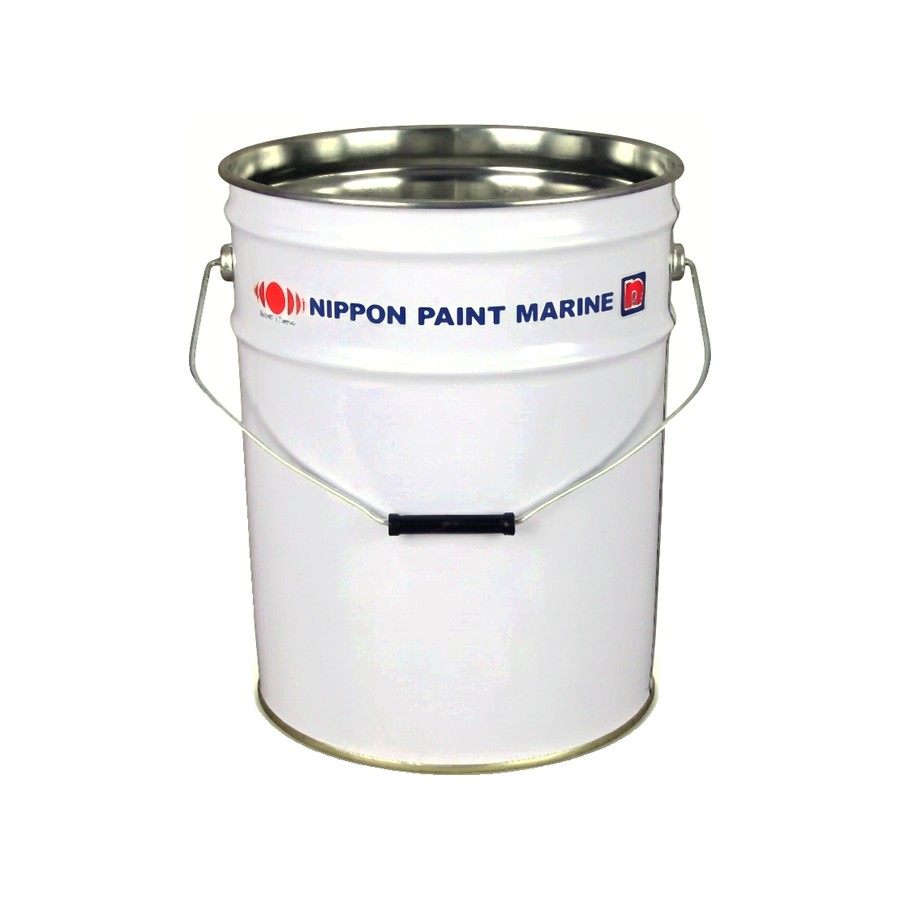
Ocean-going vessel antifouling coating (medium- and high-speed vessels). Complies with the requirements of the International Convention on the Control of Harmful Anti-fouling Systems on Ships adopted by the International Maritime Organization in October 2001 (IMO document AFS/CONF/26). Parameters on this page: volume solids 54 ± 2%, theoretical spreading rate 5.40 m²/L (100 µm DFT).
Parameter source: nippon-marin original technical data sheet (TDS) “A-LF-SEA 150 Ultra-Low Friction Ultra-Low Fuel Consumption Antifouling Coating A150”; values such as spreading rate are converted from TDS parameters and are for selection reference only.
The above content is compiled from the manufacturer's datasheet and this site's parameter tables. For selection, coating systems and lead times, pleaseContact Usfor confirmation.
This page carries the full TDS for this product, translated from the manufacturer's original document. No file download is needed; for an original-language copy, send an enquiry.
| Volume Solids | 54 ± 2% |
|---|---|
| Dry Film Thickness | 80µm ~ 150µm |
| Theoretical Spreading Rate | 5.40 m²/L (100 µm DFT) |
| VOC | — |
| Density / Specific Gravity | — |
| Number of Components | — |
| Flash Point | 24°C |
| Thinner | THINNER 300 (thinning by weight: 0–5%) |
| Colour / Appearance | Brown — BUA003, light brown — BUA017 |
The manufacturer's datasheet for this model does not state the coating position or resin type, so it has not been assigned to the above categories. Browse similar products by category, orContact Usconfirm the coating system.
For more Q&A on selection, application, acceptance and defect diagnosis, seeFAQsection.
This product is an upgraded version of LF-Sea, further reducing frictional resistance and improving fuel savings. The ultra-low friction antifouling coating produced with the bionic "stagnant water layer" patented technology effectively reduces the vessel's carbon footprint; the low-friction-coefficient copper silyl acrylate polymer ensures long-term stable antifouling performance.
This product can be applied over existing antifouling coatings; used in combination with Nippon Paint's "Rheo" anti-corrosive coating, fuel savings can be further enhanced.
Complies with the International Convention on the Control of Harmful Anti-fouling Systems on Ships adopted by the IMO in October 2001 (IMO document AFS/CONF/26)
Ocean-going vessel antifouling coating (medium- and high-speed vessels)
| Type | Copper silyl acrylate polymer (tin-free/ultra-low friction/hydrolysing/ultra-low fuel consumption/low CO2 emissions/high solids) |
|---|---|
| Colour | Brown — BUA003, light brown — BUA017 |
| Gloss | Semi-gloss |
| Solids content (by volume) | 54 ± 2% (ISO3233:1998) |
| Recommended film thickness | DFT: 80–150 µm |
| Wet film | 148µm ~ 278µm |
| Theoretical Spreading Rate | 5.40 m²/L (100 µm DFT) |
| Thinner | THINNER 300 (thinning by weight: 0–5%) |
| 5°C | 20°C | 30°C | ||
| Drying parameters | Surface Dry | 1 h | 40 min | 30 min |
| Hard Dry | 3 h | 1 h | 40 min | |
| Recoat interval | Minimum | 6 h | 4 h | 3 h |
| (self-recoat) | Maximum | ----- | ----- | |
| Interval before immersion | 18 h | 12 h | 10 h |
| (100µm) | ※Refer to note 4) |
|---|---|
| Flash Point | 24°C |
Airless spray: tip size 0.64–0.74 mm
| Spray fan angle | 45° ~ 54° |
|---|---|
| Output pressure | Above 150 kg/cm² |
For small-area repair only
All surfaces to be coated shall be clean, dry and free from contaminants, loose material or other defects
| Packaging Specifications | 16 L (packaging may vary by origin) |
|---|
Take the necessary protective measures to avoid skin and eye contact (e.g. gloves, safety glasses, face shield, barrier cream). Ensure adequate ventilation during application and drying to keep solvent vapour concentrations within safe limits.
Before use, refer to the health and safety information in the Material Safety Data Sheet (MSDS) for this product.
1) The content of this data sheet may be revised at any time as experience grows and the product develops. 2) Before and after spraying, clean the spray equipment, lines and guns with THINNER 300.
3) If mixed with other antifoulings or any other chemicals, the product will not qualify for the 'tin-free antifouling declaration'. 4) The interval before immersion is affected by environmental conditions, ventilation, film thickness and number of coats; for actual data, consult field technical service. 5) Store the product in a paint warehouse.
Data is subject to the manufacturer's latest version; in all cases the manufacturer's latest TDS prevails.
Packaging specifications and batch lead times are subject to actual availability. PleaseContact Uscontact us for project-based calculation.